


AEROPN & EEPN | NIMP 1.2.2: INTEGRATING VALUE CHAIN TO ENHANCE ECONOMIC COMPLEXITY
PCD MPC • March 22, 2024
The NIMP 1.2.2 workshop on March 22, 2024, fostered dialogue between Aerospace and Electrical & Electronics sectors, leading to the proposal of two projects, "Inflight Portable Experience" and "Localized Urban Air Mobility.
The workshop on NIMP 1.2.2, convened on March 22, 2024, provided a platform for representatives from Aerospace and Electrical & Electronics sectors to engage in discussions regarding potential collaborative opportunities. From this session, two distinct projects emerged: "Inflight Portable Experience" and "Localized Urban Air Mobility." Key action item have been identified to involve Ministry of Transport (MOT) in support of collaboration and resources for stakeholders.
Moving forward, the emphasis will be on refining the projects with stakeholders’ involvement and securing the necessary resources for implementation with a specific focus by engaging MOT and fostering ongoing coordination among stakeholders.
#MPC
#NIMP2030
#DrivingProductivityoftheNation
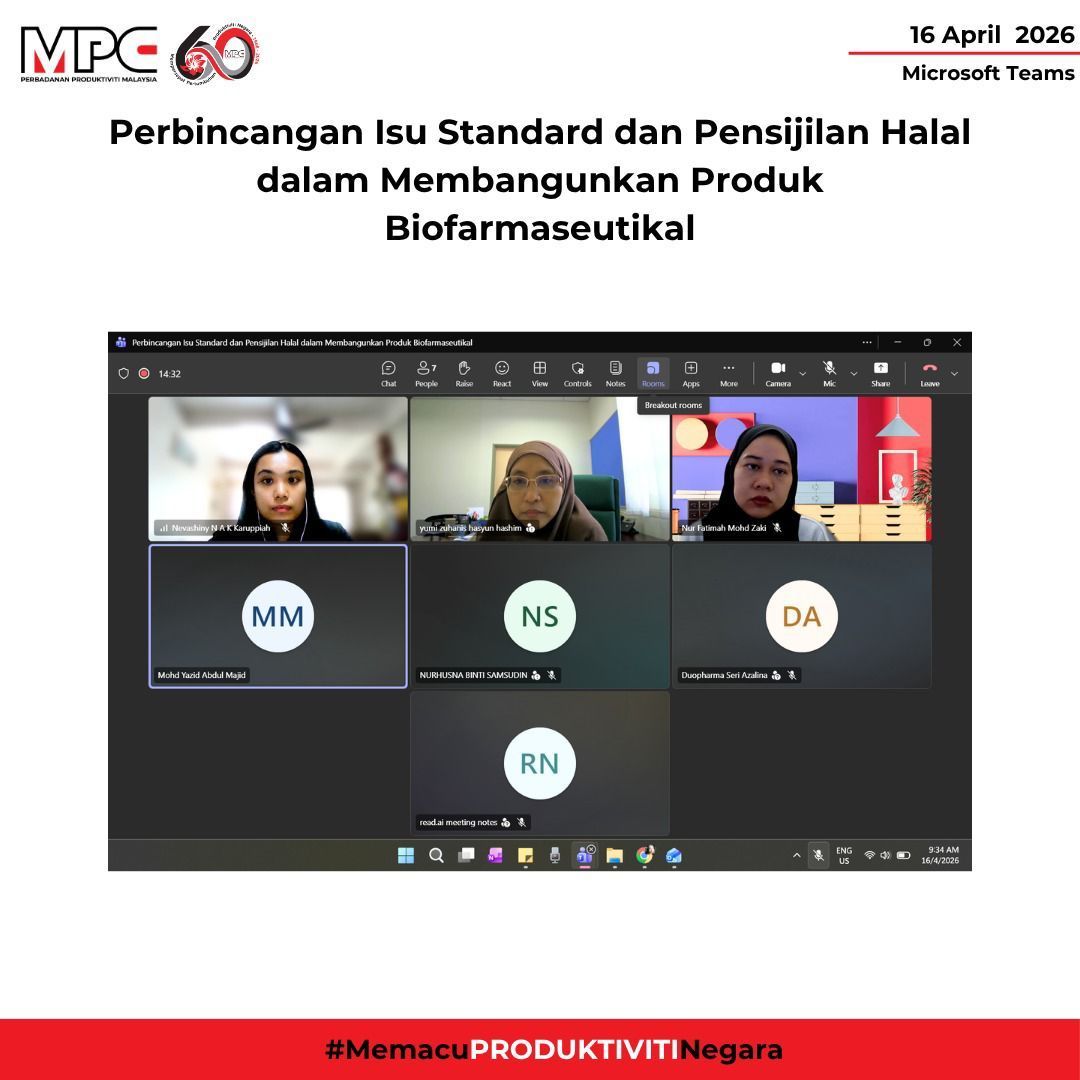
Perbincangan yang produktif telah diadakan bersama Prof. Dr. Yumi Zuhanis, pensyarah dari IIUM, serta Puan Seri Azalina, Pengurus Kanan, Hal Ehwal Halal dan Perhubungan Kerajaan, Duopharma Biotech Berhad, bagi meneliti isu semasa serta cadangan penambahbaikan yang boleh dilaksanakan dalam konteks pembangunan dan pensijilan halal. Perbincangan ini turut menyentuh MS2424 sebagai standard halal yang boleh diguna pakai merentasi pelbagai jenis produk. Pada masa yang sama, terdapat cadangan agar satu standard tambahan yang lebih komprehensif dibangunkan, khusus untuk merangkumi produk biopharmaceutical seperti biosimilar, vaksin, insulin serta produk kompleks lain yang melibatkan pelbagai sumber bahan dan proses pengeluaran. Sebagai langkah seterusnya, PPN akan mengadakan sesi one-to-one bersama pihak industri dan akademia bagi mendapatkan pemahaman yang lebih menyeluruh terhadap keseluruhan rantaian proses, termasuk aspek upstream dan downstream, di samping mengenal pasti ruang penambahbaikan dari sudut produktiviti.
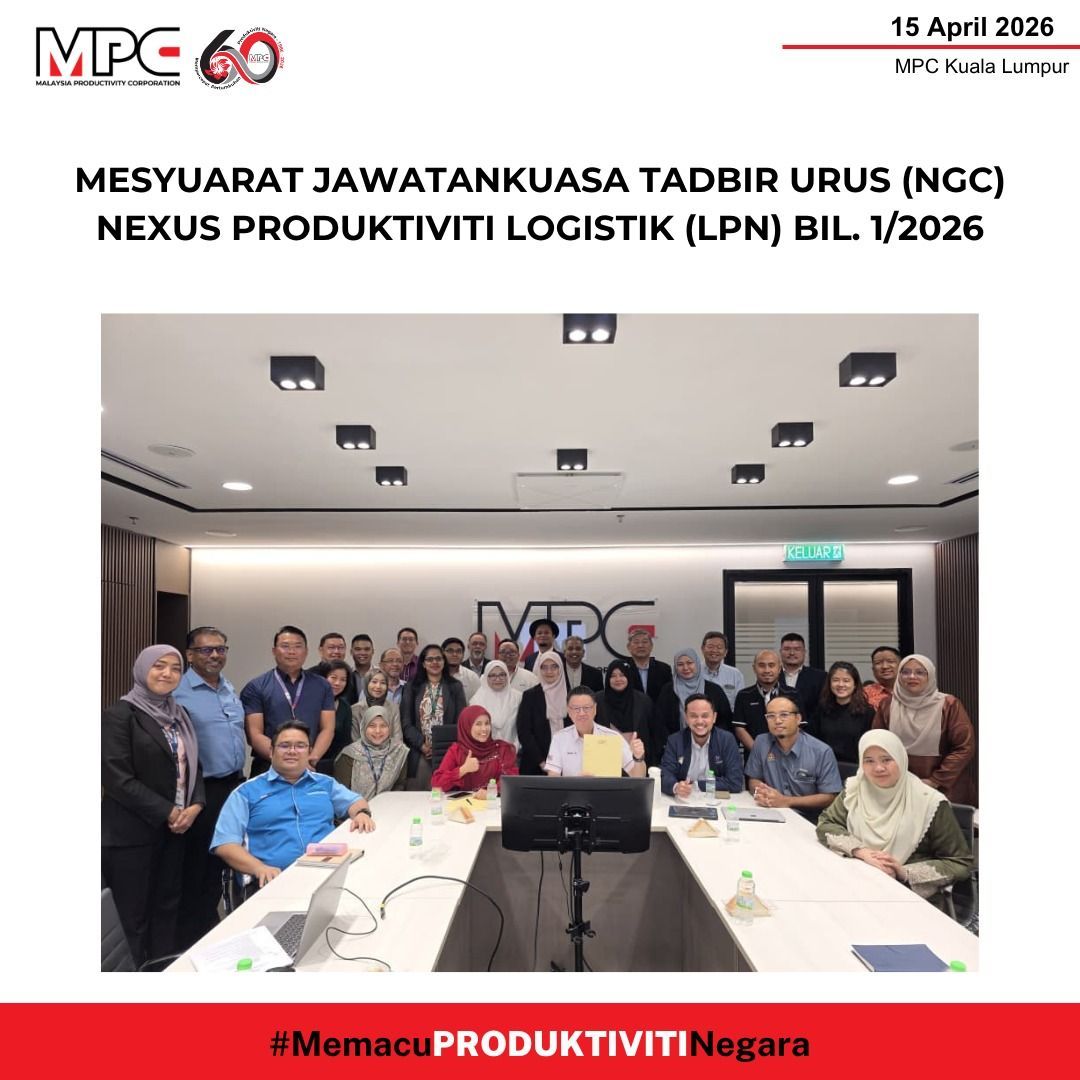
Malaysia Productivity Corporation (MPC) through Logistics Productivity Nexus (LPN) held its first 2026 Nexus Governing Committee (NGC) meeting and chaired together by YBrs. Dr Mazrina Mohamed Ibramsah, Deputy Director General of MPC with YBhg. Dato' Seri (Dr.) Michael Tio, Champion of LPN. The session brought together over 35 key committee members including representatives from the public and private sectors, industry associations and academia to deliberate strategic contemporary issues globally pertaining to operations and productivity impacting the logistics sector. A total five presentations and discussions were conducted covering the following topics: * “The Impact of Iran War on Malaysian Logistics & Related Industries and Suggested Measures to Government to Ease the Pressure” by Dato’ Nachiappan Suppiah, FMM * “Diesel Cost & Credit Constraint Issue” by Mohamad Azuan Masud, AMH * “Middle East Crisis: Update – Insurance Company” by Zaipulazmar Zainol Abidin, LONPAC * “Addressing Transboundary Waste Dumping and Misdeclared Cargo as Systemic Trade And Supply Chain Risks” by Shamsul Afif Abdul Waris, WESTPORTS * “Malaysia Logistics Consortium Summit (30 April 2026) and International Logistics Symposium & Logistics Industrial Forum (7 - 9 August 2026)” by Prof. Madya Ts. Dr. Nurul Haqimin Mohd Salleh, UMT Towards the end, MASKargo and Malaysia Bunkering Association (MBA) are invited in the next meeting to present papers on current industry issues and the progress of their respective organization. Moving forward, LPN remains committed to fostering public-private synergy to mitigate supply chain risks and safeguard the industry against geopolitical instability and rising operational costs.
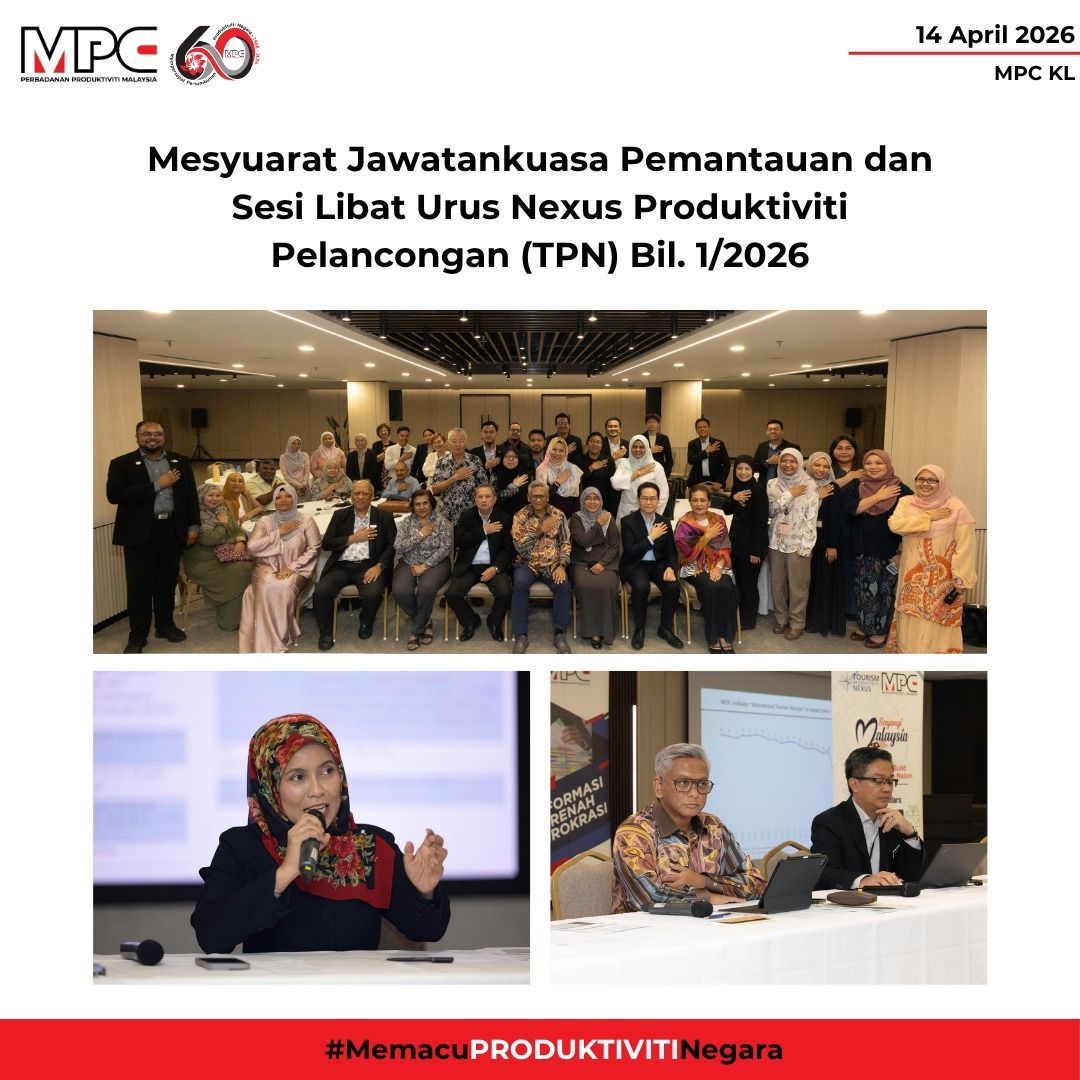
Mesyuarat Pemantauan dan Sesi Libat Urus pertama TPN bagi tahun 2026 telah berjaya menyelaras perancangan program serta menetapkan hala tuju TPN bagi tahun semasa melalui penglibatan aktif 70 wakil daripada pemain industri pelancongan dan agensi kerajaan berkaitan. Penganjuran mesyuarat ini turut memperkukuh kerjasama strategik antara pihak industri dan kerajaan dalam usaha meningkatkan produktiviti, daya saing serta kemampanan industri pelancongan negara. Sesi ini turut menampilkan perkongsian daripada pihak industri berhubung geran yang ditawarkan oleh NCIA dan UNDP, inisiatif semasa oleh UOA Group dan Evenesis, serta pandangan ahli industri mengenai cadangan pembangunan, termasuk kajian kebolehlaksanaan projek kereta api pelancongan Cameron Highlands. Mesyuarat dan sesi libat urus ini, yang dipengerusikan oleh En. Rohizam Md Yusoff (Champion TPN) bersama Dr. Mazrina Mohamed Ibramsah (Timbalan Ketua Pengarah MPC) serta Dr. Norwan bin Ahmad (Setiausaha Bahagian MOTAC) mencerminkan komitmen berterusan MPC dan MOTAC melalui TPN dalam memastikan setiap intervensi yang dirancang dilaksanakan secara lebih tersusun, relevan dan berimpak terhadap pembangunan dan produktiviti industri pelancongan negara. #SayangiMalaysia #ProductiveTourism #TPN #MPC #AIProduktiviti #MPCProductive #Drivingproductivityofthenation